Nutritional Content of 1 Teaspoon of Moringa Powder
Nutritional Content of 1 Teaspoon of Moringa Powder Nutrition Facts, Health Benefits, and Risks
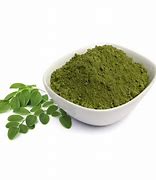
Nutritional Content of 1 Teaspoon of Moringa Powder. Discover the nutritional facts and health benefits of 1 teaspoon of moringa powder, including its high protein and fiber content, antioxidant activity, and potential side effects, and learn how to incorporate it into your diet for added nutrition and health benefits.
Nutritional Content of 1 Teaspoon of Moringa Powder Overview of Moringa Powder Nutrition Facts
Moringa powder, originating from the leaves of the Moringa oleifera tree, stands out as a powerhouse of essential nutrients that offer a plethora of health benefits. Known for its exceptional nutritional profile, moringa powder has garnered attention as a superfood that can significantly enhance one’s overall well-being when incorporated into a balanced diet. Rich in vitamins, minerals, and antioxidants, moringa powder provides a convenient way to boost your nutrient intake and support various bodily functions.
For instance, a single teaspoon of moringa powder contains a diverse range of nutrients, including 28.50% carbohydrates, 25.02% proteins, and 10.42% fat. These macronutrients play vital roles in sustaining energy levels, promoting muscle growth, and supporting cell repair and maintenance. Moreover, the significant presence of 11.83% dietary fiber in moringa powder aids in digestion, regulates blood sugar levels, and promotes feelings of fullness, making it a valuable addition to a healthy diet.
Additionally, moringa powder is packed with micronutrients such as 1.108 mg of β-carotene and 326.4 µg/100 g of vitamin B1, along with 15.2 mg/100 g of vitamin C. These essential vitamins contribute to various physiological functions in the body, including immune support, skin health, and vision. The antioxidant activity of methanol extracts of moringa further enhances its nutritional value, showcasing its potential to combat oxidative stress and promote overall health.
Furthermore, the versatility of moringa powder allows for easy integration into different recipes and meals, offering a convenient way to elevate the nutritional content of your dishes while enjoying the health benefits it provides.
An example of how you can incorporate moringa powder into your diet is by adding a teaspoon to your morning smoothie. Not only does this provide a nutrient boost, but it also enhances the antioxidant content of your beverage. Another creative way to use moringa powder is by mixing it into homemade energy bars, combining its nutritional benefits with a delicious and convenient snack option.
Nutritional Content of 1 Teaspoon of Moringa Powder
In just one teaspoon of moringa powder, you can find a wealth of nutrients. This includes approximately 28.50% carbohydrates, 25.02% proteins, and 10.42% fat. Additionally, moringa powder contains 11.83% dietary fiber, 1.108 mg of β-carotene, 326.4 µg/100 g of vitamin B1, and 15.2 mg/100 g of vitamin C. Studies have also shown the antioxidant activity of methanol extracts of moringa, further enhancing its nutritional profile.
An example of how you can incorporate moringa powder into your diet is by adding it to a homemade salad dressing. By mixing moringa powder with olive oil, lemon juice, and herbs, you can create a flavorful and nutrient-rich dressing to drizzle over your salads. This not only enhances the taste of your salad but also boosts its nutritional value with the addition of essential vitamins and minerals from moringa powder.
When considering the macronutrient content of moringa powder, it is essential to note that the carbohydrates present contribute to providing a quick source of energy, while the proteins support muscle growth and repair. The dietary fiber content aids in digestion, promotes satiety, and helps regulate blood sugar levels, making moringa powder a well-rounded nutritional supplement.
Nutritional Content of 1 Teaspoon of Moringa Powder Benefits of Moringa Powder
Consuming moringa powder may offer a range of health benefits. Research suggests that moringa powder can help reduce lipid peroxidation, increase glutathione levels, and exhibit potential neuroprotective and anticancer activities. Furthermore, the antioxidant properties of moringa can enhance enzyme activity and protect against oxidative damage, promoting overall well-being.
For instance, incorporating moringa powder into homemade energy bars can not only boost the nutritional value of your snack but also provide a convenient way to reap the health benefits of this superfood. Another way to harness the health benefits of moringa powder is by mixing it into a vegetable stir-fry. By adding a teaspoon of moringa powder to your stir-fry, you can enhance the antioxidant content of the dish while enjoying the unique flavor profile that moringa offers.
Moreover, the potential anticancer activity of moringa powder has garnered interest in the scientific community, with studies indicating its ability to inhibit the growth of cancer cells and induce apoptosis. This promising research underscores the therapeutic potential of moringa powder in supporting cancer prevention and treatment, highlighting its value as a functional food with medicinal properties.
Incorporating Moringa Powder into Your Diet
There are numerous innovative and delicious methods to integrate moringa powder into your everyday meals. One popular way is to blend a teaspoon of moringa powder into your morning smoothie. This addition not only boosts the nutritional content of your smoothie but also provides a vibrant green color, making it visually appealing. By doing so, you can start your day with an extra dose of essential nutrients and energy.
Moreover, you can sprinkle moringa powder onto roasted vegetables before baking them. The heat from the oven will help to infuse the earthy flavor of moringa into the vegetables, creating a tasty and nutritious side dish. This method not only elevates the taste of the vegetables but also ensures that you are getting the health benefits of moringa in a simple and convenient way. By experimenting with different recipes and incorporating moringa powder creatively, you can enjoy a diverse range of dishes while reaping the nutritional benefits of this superfood.
Another creative way to incorporate moringa powder into your diet is by making moringa-infused energy balls. By blending dates, nuts, and a teaspoon of moringa powder in a food processor, you can create a nutrient-dense snack that provides a quick energy boost and satisfies your sweet cravings. These energy balls are not only delicious but also a convenient way to enjoy the health benefits of moringa on the go.
Potential Side Effects of Excessive Moringa Powder Consumption
When it comes to the consumption of moringa powder, moderation is key due to potential side effects associated with its excessive intake. Apart from digestive problems like diarrhea and stomach discomfort that may arise from overconsumption, a severe condition known as Stevens-Johnson Syndrome has been linked to the excessive intake of moringa. For instance, an individual who consumed moringa tea excessively developed symptoms of Stevens-Johnson Syndrome, highlighting the importance of regulating moringa consumption to avoid such adverse effects.
Moreover, high doses of moringa powder may interact with certain medications, affecting their efficacy or causing unintended reactions in the body. For example, moringa has been found to interact with blood thinners like Warfarin, potentially increasing the risk of bleeding in individuals using both concurrently. Therefore, it is recommended to seek guidance from a healthcare professional before incorporating moringa powder into your diet, especially if you are on medication to prevent any adverse interactions that could compromise your health.
Furthermore, the potential laxative effects of moringa powder due to its high fiber content may lead to gastrointestinal issues like bloating or gas if consumed in excess. It is essential to listen to your body’s signals and adjust your intake of moringa powder accordingly to avoid any discomfort or digestive disturbances.
Comparison of Moringa Benefits with Common Foods
In the comparison between moringa powder and common foods like carrots and oranges, the nutritional superiority of moringa becomes apparent. For instance, while carrots and oranges are known for their nutritional value, moringa excels in providing higher levels of protein and fiber, making it a more substantial source of these essential nutrients. Moreover, moringa offers a diverse array of vitamins and minerals that might not be as concentrated in carrots and oranges, showcasing its exceptional nutritional composition.
To illustrate, let’s look at a specific example comparing 100 grams of moringa powder to the same amount of carrots and oranges: moringa powder contains significantly more protein, fiber, and essential vitamins like Vitamin A, B, C, and E, as well as essential minerals such as calcium, iron, and magnesium. In contrast, while carrots and oranges are rich in Vitamin A and C respectively, they do not provide the same level of overall nutrient density as moringa [4]. This example underscores how moringa stands out not only in its protein and fiber content but also in its comprehensive nutritional profile compared to these common foods.
Furthermore, the antioxidant properties of moringa set it apart from carrots and oranges, as it contains higher levels of compounds that combat oxidative stress and promote cellular health. By including moringa powder in your diet, you can benefit from its superior antioxidant activity, which plays a crucial role in protecting your cells from damage and supporting overall well-being.
Nutritional Value of Fresh Moringa Leaves vs. Dried Powder
When comparing the nutritional value of fresh moringa leaves versus dried powder, it’s essential to understand the impact of processing on nutrient content. Fresh moringa leaves are known to contain higher levels of Vitamin C compared to dried powder. The dehydration process involved in making powder can lead to some loss of this heat-sensitive vitamin. Despite this, dried moringa powder remains a convenient option for incorporating the benefits of moringa into various recipes and meals, especially when fresh leaves are not readily available.
For example, if you were to consume fresh moringa leaves in a salad, you would benefit from the higher Vitamin C content present in the fresh form. On the other hand, incorporating dried moringa powder into smoothies or baked goods provides a concentrated source of essential nutrients like protein, fiber, and vitamins. Understanding the differences between fresh leaves and dried powder can help individuals make informed choices based on their nutritional needs and culinary preferences.
Moreover, the processing of moringa leaves into powder involves careful drying and grinding techniques to preserve as many nutrients as possible. Studies have shown that despite some nutrient loss during the dehydration process, dried moringa powder retains a significant portion of its original nutritional content, making it a convenient and long-lasting dietary supplement. By opting for dried moringa powder, individuals can enjoy the benefits of moringa throughout the year, regardless of the availability of fresh leaves.
Antioxidant Activity of Moringa Extracts
Moringa extracts have been extensively studied for their remarkable antioxidant activity, showcasing their potential health benefits. Research has indicated that methanol extracts of moringa play a crucial role in protecting the body against oxidative damage by reducing lipid peroxidation and increasing glutathione levels. These findings underscore the importance of incorporating moringa powder into your daily diet to enhance the antioxidant enzyme activity in your body, thereby promoting overall well-being and potentially reducing the risk of chronic diseases.
Moreover, the antioxidant properties of moringa extend beyond just combating oxidative stress. Studies have suggested that regular consumption of moringa may aid in preventing mitochondrial dysfunction by regulating calcium levels and improving mitochondrial membrane potential. This mechanism can have a positive impact on overall cellular health and function, highlighting the diverse ways in which moringa contributes to maintaining a balanced and healthy body.
In addition to its antioxidant activity, moringa extracts have also shown promise in protecting against mitochondrial dysfunction, a key factor in various diseases and aging processes. By regulating calcium levels and preserving mitochondrial membrane potential, moringa helps maintain the proper functioning of cellular energy production and overall metabolic processes. This highlights the importance of incorporating moringa powder as a natural way to support cellular health and enhance the body’s antioxidant defenses.
Risks of Consuming Moringa Powder During Pregnancy
Consuming moringa powder during pregnancy is a topic of concern due to potential risks associated with its consumption. One significant risk is the induction of uterine contractions, which could result in complications during pregnancy. For example, in a study published in the Journal of Obstetrics and Gynaecology Research, researchers found that high doses of moringa extract led to contractions of the uterine muscles in pregnant rats, indicating a potential risk for human pregnancies as well. Therefore, it is essential for pregnant individuals to be cautious and seek advice from healthcare providers before using moringa powder.
Moreover, the active compounds in moringa powder may interact with hormone levels and affect the development of the fetus. For instance, a study in the Journal of Ethnopharmacology highlighted that certain compounds in moringa have oxytocic properties, which could trigger contractions and potentially lead to preterm labor or miscarriage. Given these potential risks, it is recommended that pregnant women err on the side of caution and avoid the consumption of moringa powder until more conclusive research is available. Consulting with a healthcare professional is crucial to ensure the safety of both the mother and the unborn child during pregnancy.
Furthermore, the hormonal effects of moringa powder may interfere with the delicate balance of hormones during pregnancy, potentially leading to complications such as hormonal imbalances or adverse effects on fetal development. Due to the lack of comprehensive studies on the safety of moringa powder during pregnancy, it is advisable for expectant mothers to avoid its consumption and opt for safer dietary alternatives to support their nutritional needs.
Conclusion and Recommendations
In conclusion, moderation is key when incorporating moringa powder into your diet to prevent any potential adverse effects. While moringa offers a range of health benefits, excessive consumption can lead to digestive problems like diarrhea or stomach upset. Therefore, it is essential to adhere to the recommended dosage, typically around one teaspoon per day, to reap the benefits without encountering any issues.
To determine the ideal dosage of moringa powder for your individual needs, consulting with a nutritionist or healthcare provider is highly recommended. They can take into account your specific health conditions, dietary requirements, and any medications you may be taking to provide personalized guidance on the appropriate amount of moringa to consume daily. This personalized approach ensures that you maximize the benefits of moringa while minimizing any potential risks associated with its consumption.
Moreover, there are numerous creative ways to include moringa powder in your daily meals and snacks to boost your overall nutrition intake. For instance, you can blend it into smoothies, sprinkle it over salads, mix it into soups, or even bake it into healthy snacks like muffins or energy bars. By experimenting with different recipes and incorporating moringa powder into your favorite dishes, you can enjoy its nutritional advantages while adding a unique flavor and nutrient profile to your diet.
About Author
